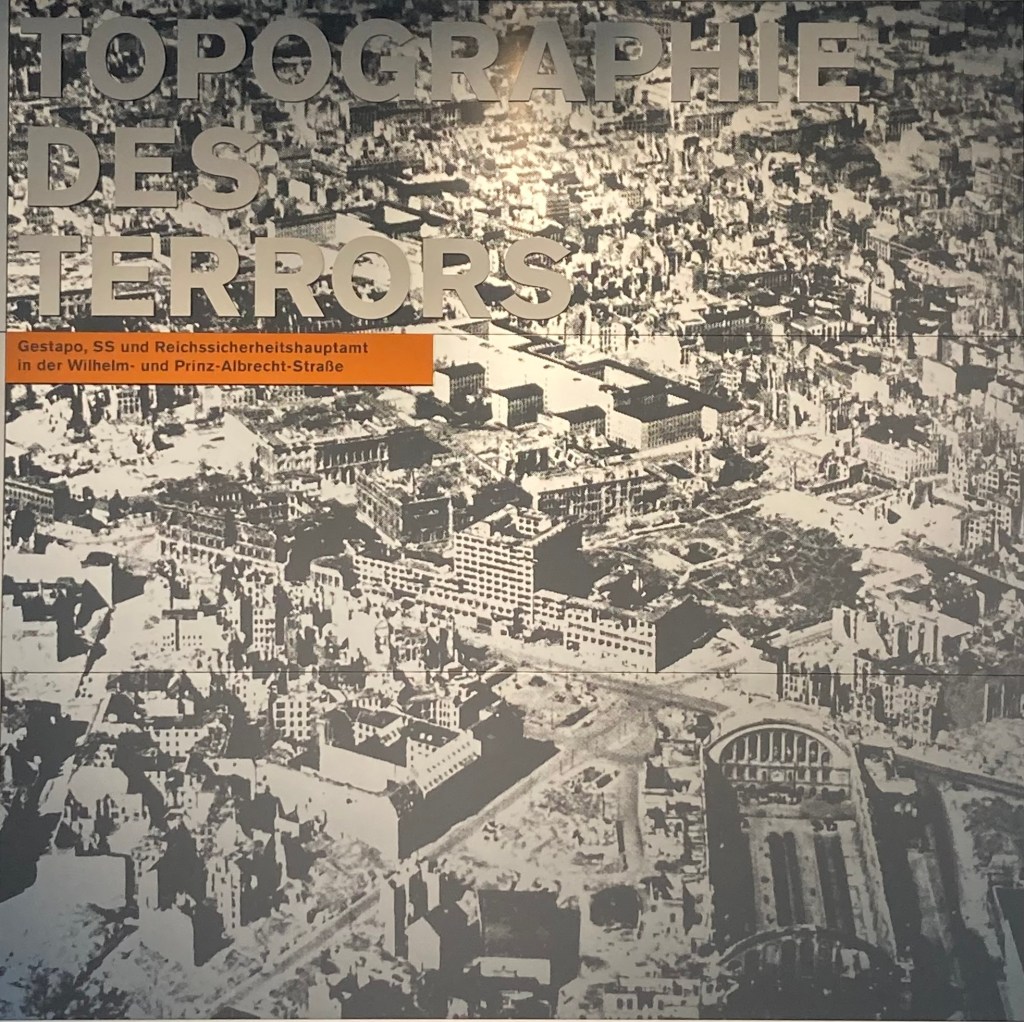
The history of the Topography of Terror Museum is deeply intertwined with Germany’s efforts to come to terms with its Nazi past and ensure that future generations understand the horrors of that era.
Here’s a brief overview of its establishment:
Nazi Era (1933-1945): The area where the museum now stands was once the headquarters of the Gestapo, the secret police of Nazi Germany, and the SS, the paramilitary organization responsible for many of the regime’s crimes. It was here that the Nazi regime planned and orchestrated the persecution, imprisonment, and extermination of millions of people, including Jews, Roma, homosexuals, political dissidents, and others deemed undesirable by the regime.
Post-War Period: After World War II ended and Nazi Germany was defeated, the headquarters of the Gestapo and SS were heavily damaged during the Allied bombing campaigns. The site remained largely abandoned and neglected for many years following the war. In the 1980s, there was growing recognition in Germany of the need to confront the country’s Nazi past and to memorialize the victims of the regime. Efforts were made to preserve the remaining structures at the former Gestapo and SS headquarters and to create a museum and memorial on the site.
In 1987, the Topography of Terror Foundation was established with the goal of creating a museum and documentation centre at the site. The museum officially opened to the public in 2010, coinciding with the 65th anniversary of the end of World War II.
Exploring the Depths of History:
Visiting the Topography of Terror Museum in Berlin is a sobering and thought-provoking experience. The museum stands on the site of the former Gestapo and SS headquarters, offering a chilling glimpse into the darkest chapters of Germany’s history during the Nazi regime.
As I walk through the museum, I was confronted with exhibits detailing the systematic persecution and genocide carried out by the Nazi regime. The museum does an excellent job of providing comprehensive information, including photographs, documents, and personal testimonies, which collectively paint a vivid picture of the horrors that took place.
One of the most impactful aspects of the museum is its emphasis on individual stories. Through accounts of survivors, victims, and perpetrators, visitors gain a deeper understanding of the human impact of Nazi atrocities. It’s a reminder that behind the staggering statistics are real people who suffered unimaginable cruelty.
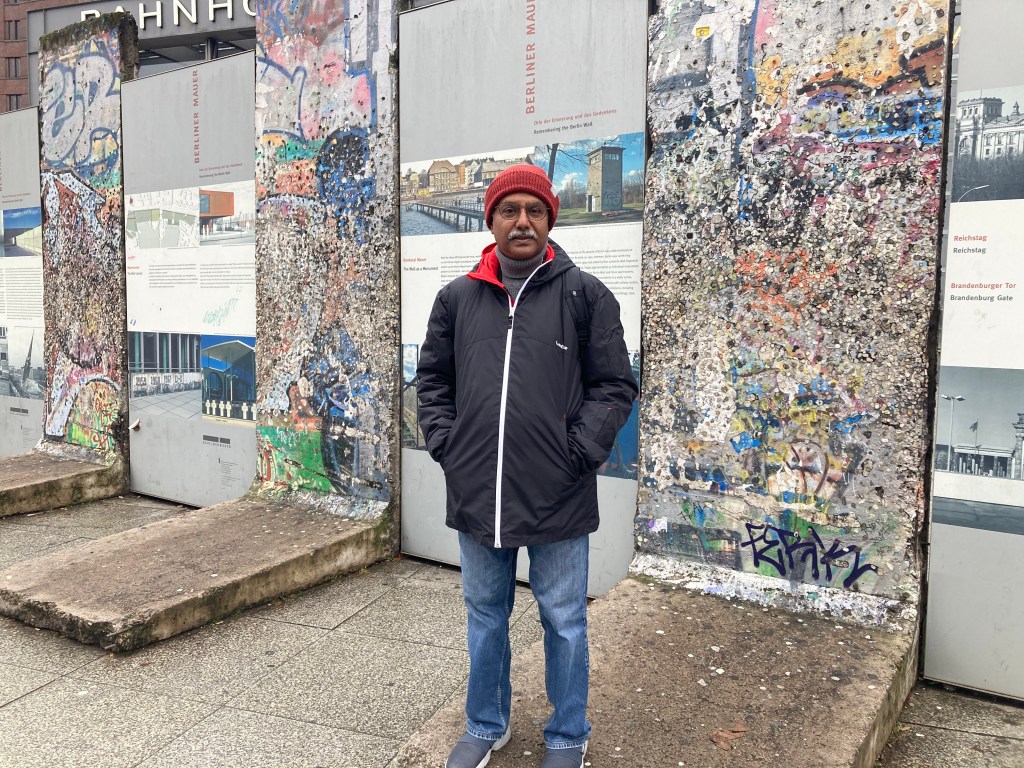
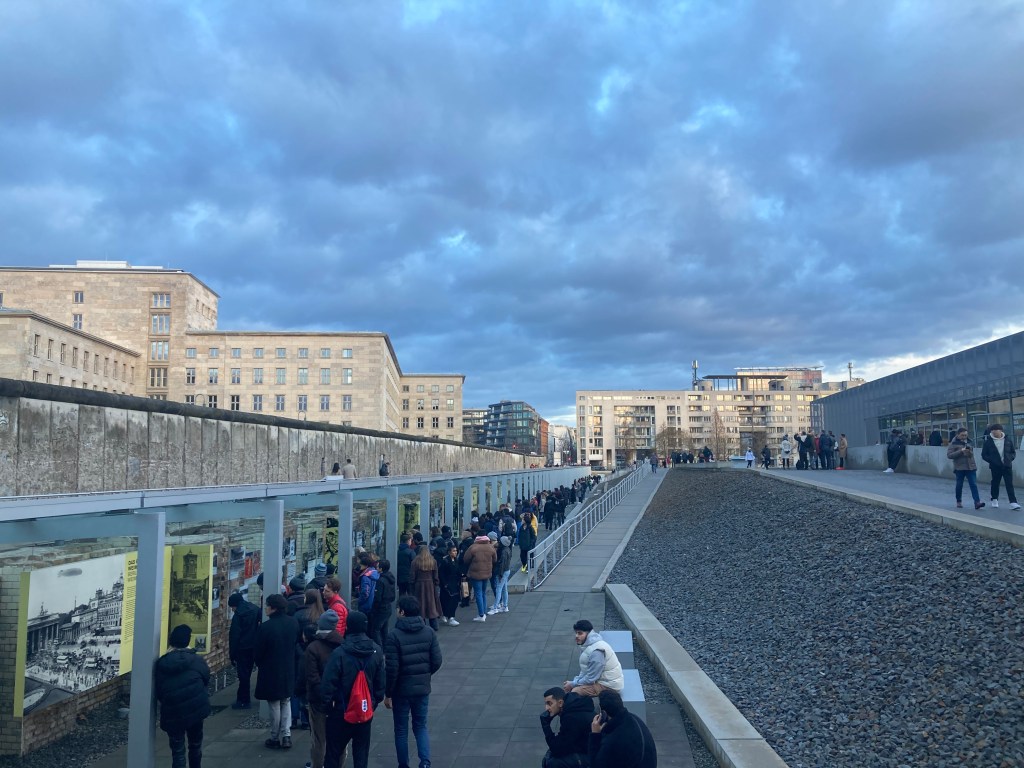
The outdoor exhibition, which showcases remnants of the Berlin Wall and the former Gestapo offices, adds another layer of historical context. Standing in these locations, I can’t help but feel the weight of history bearing down on me.
Overall, a visit to the Topography of Terror Museum was a poignant and educational experience. It served me important reminder of the atrocities committed in the not-so-distant past and the importance of vigilance against hatred and bigotry in all its forms.
 Musing of a travelling Bong
Leave a comment