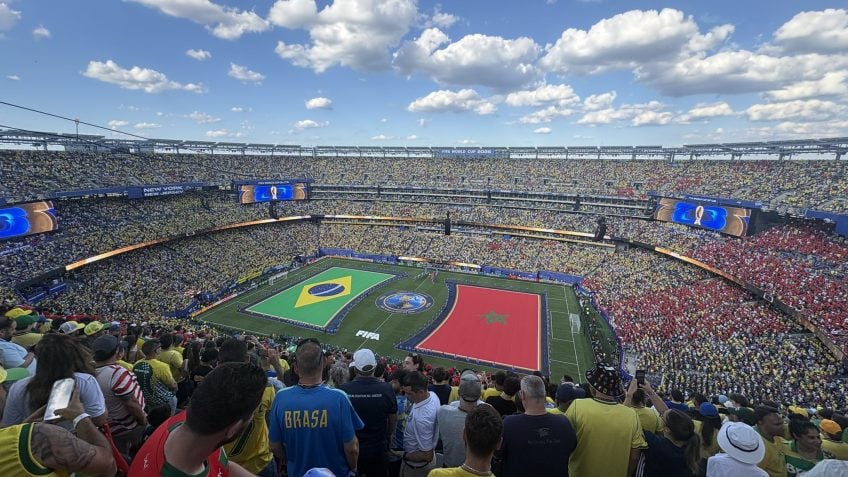
Football has always been much more than just a 90-minute sport for someone who has experienced the enchantment of several FIFA World Cups. It has been a feeling. Every World Cup left I have watched has left behind memories that went beyond the final score.
2026 FIFA World Cup was eagerly awaited by millions of soccer fans worldwide for yet another football fiesta. Unfortunately, it turned into a competition that is recognised more for controversy than for the actual football. For the first time, I was talking about things around the game more than the game itself.
This year world cup broke the natural rhythm of Football – This game, in contrast to many other sports, naturally generates suspense over the course of two 45-minute halves. Fans become emotionally immersed at all times, players improvise, and momentum changes continuously- Alas 2026 World Cup showed that the rhythm has vanished. FIFA’s introduction of hydration breaks significantly changed the watching experience. Commercial breaks were conveniently inserted by broadcasters due to the timing, which led detractors to characterise them as football’s equivalent of television timeouts. In a celebrated case, advertising was allegedly continued even after play had resumed, and it was alleged that business interests had triumphed over the game itself.
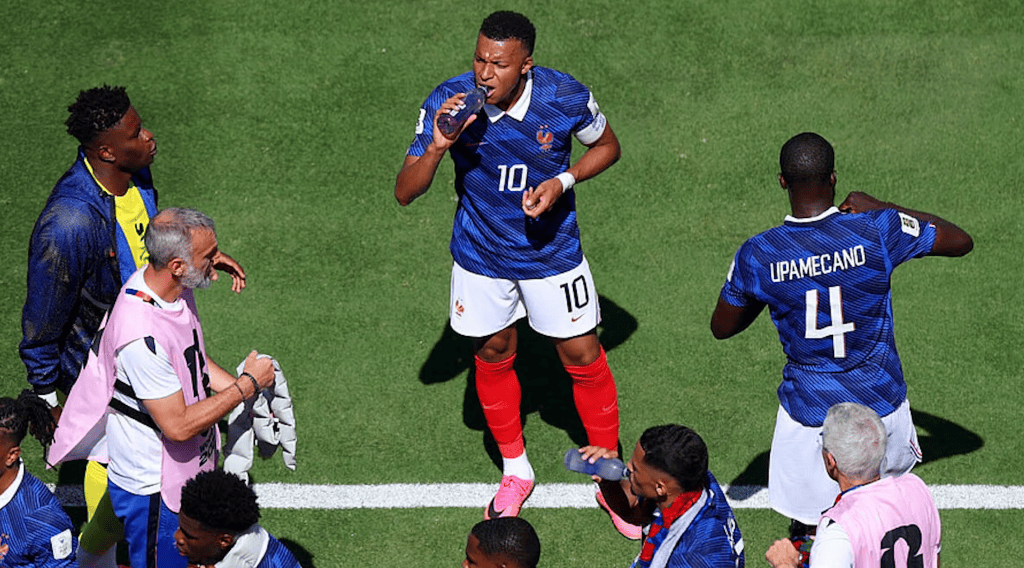
Spectators did not see a long-term contest between stamina, instinct and momentum, but one which was continually reset. This was seen by many fans as the slow “Americanization” of football, with continuous play being divided into quarter-based sport-like portions
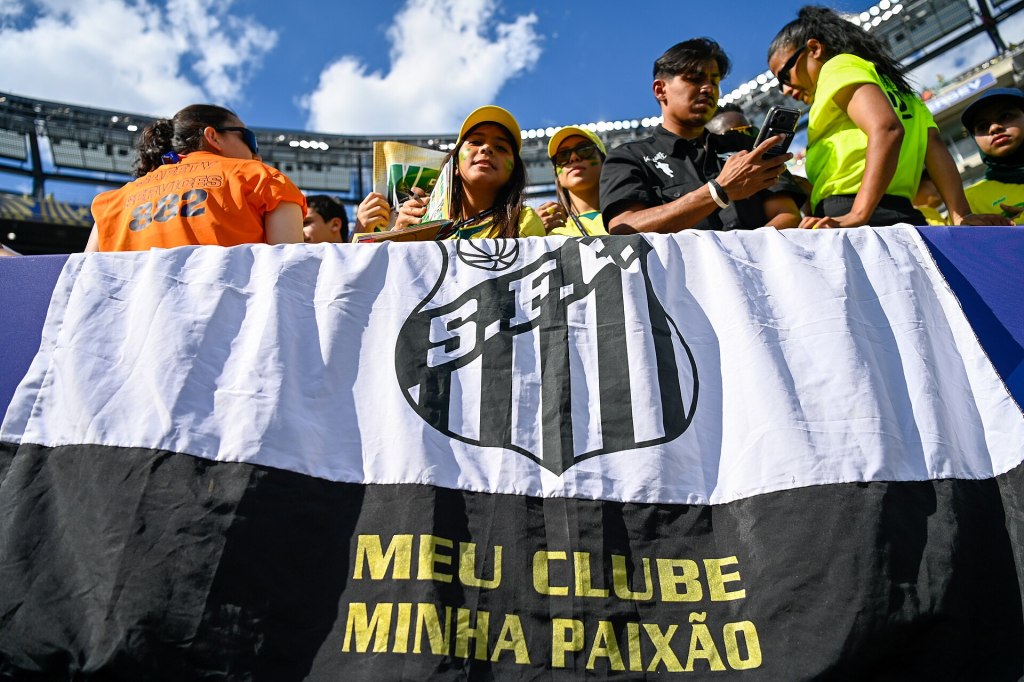
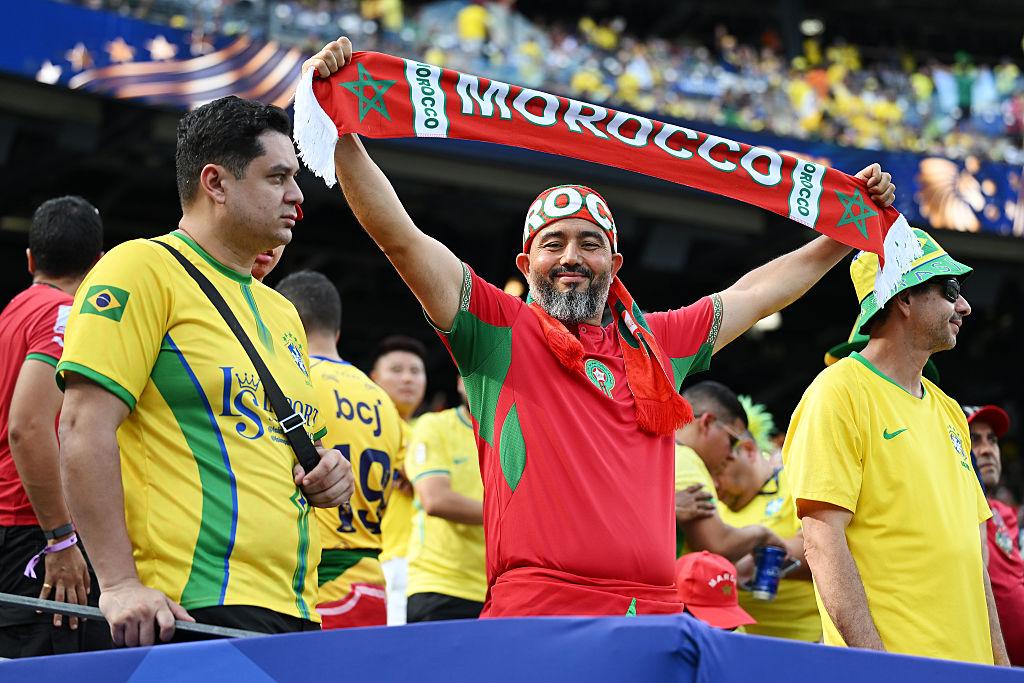
On the other hand, Football has always been a reflection of society, but politics frequently seemed to take over in 2026. Among the most controversial incidents were reports of the lifting of American player Folarin Balogun’s suspension due to alleged political interference. The incident sparked a flurry of debate about whether sporting governance had been compromised by outside influence.
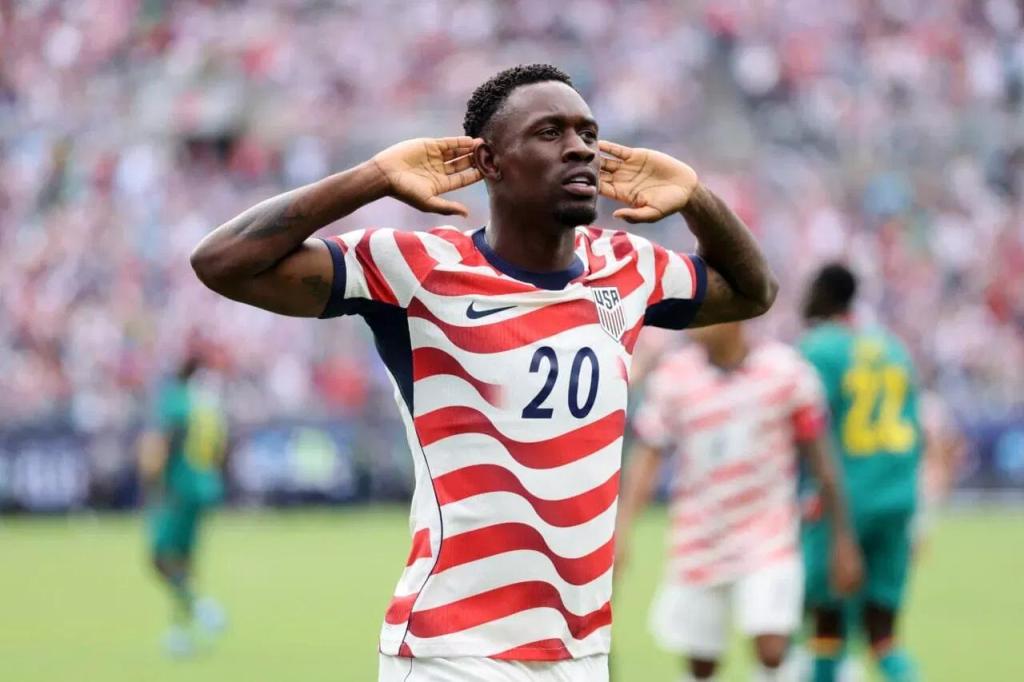
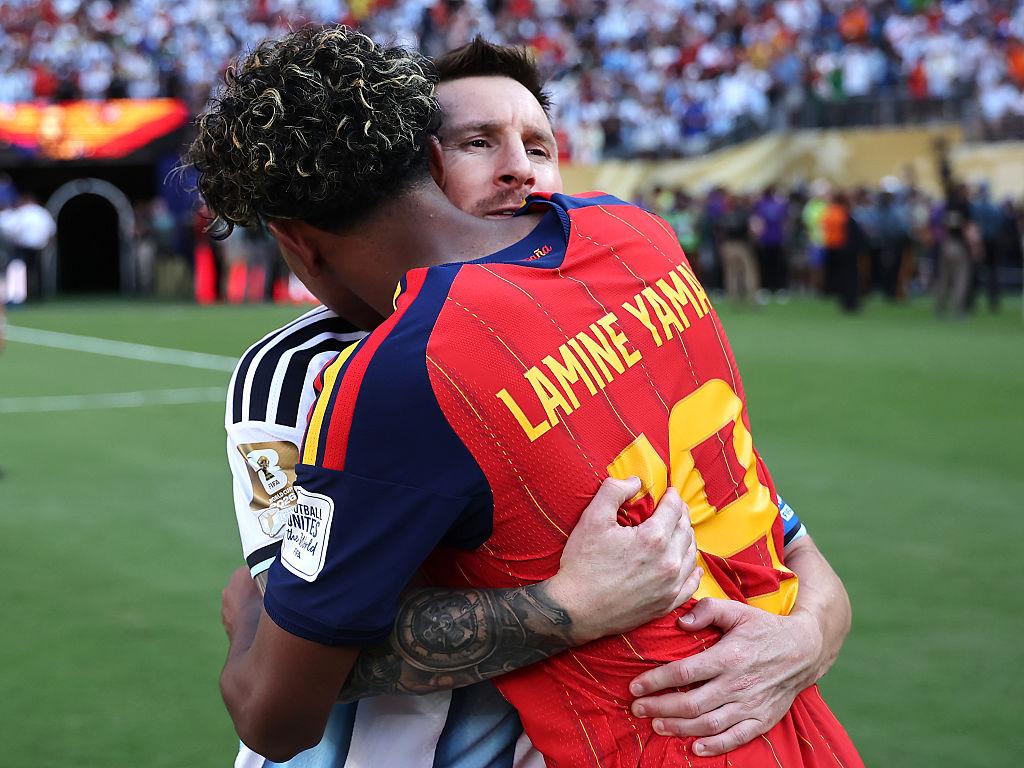
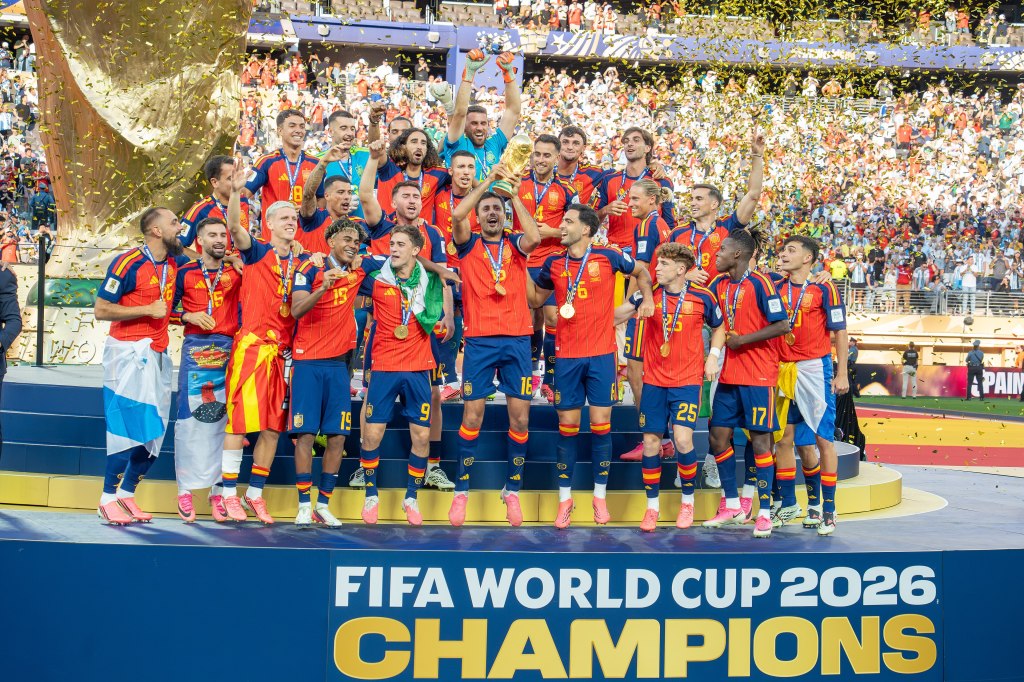
Several football associations elsewhere challenged many referee’s decisions involving Argentina, alleging a pattern of beneficial calls to extend Lionel Messi’s World Cup career given the enormous commercial value his presence created. Even the final was marred by altercations between players from Argentina and Spain after the game, which led to disciplinary investigations rather than widespread celebration.
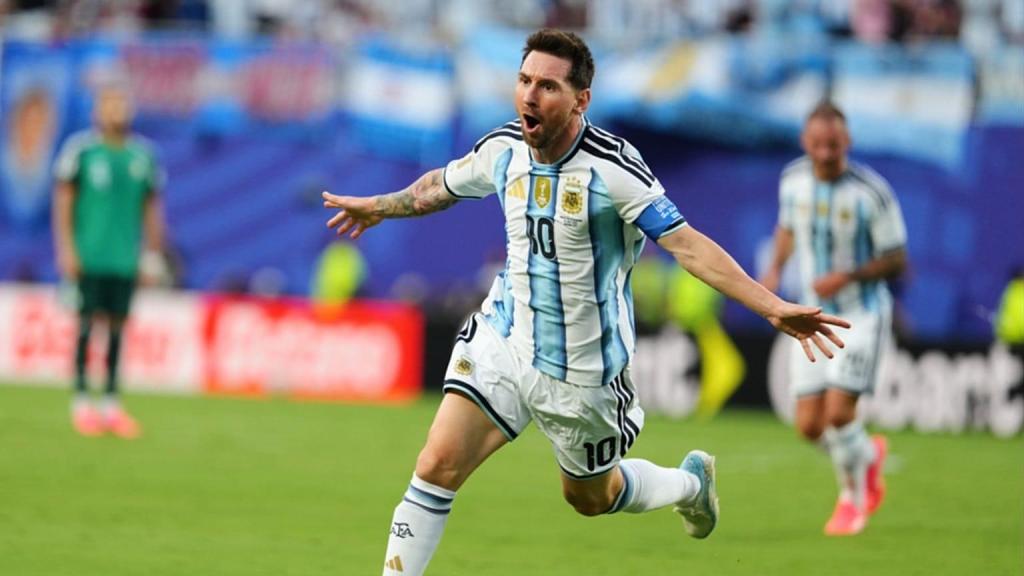
Among the fans, many debates focused on investigations, hearings, and scandals rather than tactical masterclasses or stunning goals. Football itself appeared to become merely one part of an ever-growing entertainment offering at some point.
There are disputes at every World Cup which is not new, however the game seems to have lost its charm with
- The rhythm of the game being disrupted by hydration breaks.
- Commercial interests seemed to be more apparent than before.
- Football was frequently overshadowed by political controversies.
Football has long been known as the “beautiful game” because of its simplicity. There are twenty-two players and One ball. Talent, bravery, and passion determine the result for ninety unbroken minutes.
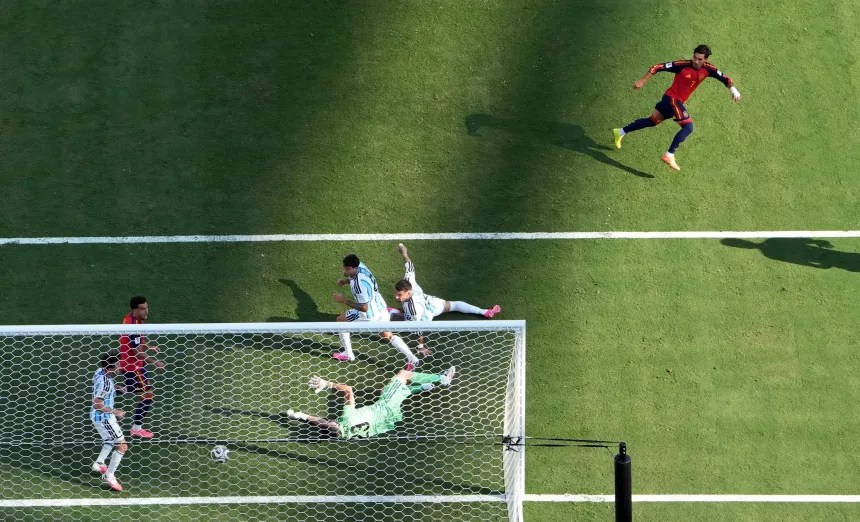
The 2026 World Cup served as a reminder that the beauty of the game can quickly be obscured when commercial priorities, politics, and spectacle start to take centre stage. The tournament’s size, record number of teams, and unparalleled commercial success will surely be remembered. It’s a different matter whether football purists will remember it with fondness.


Leave a comment